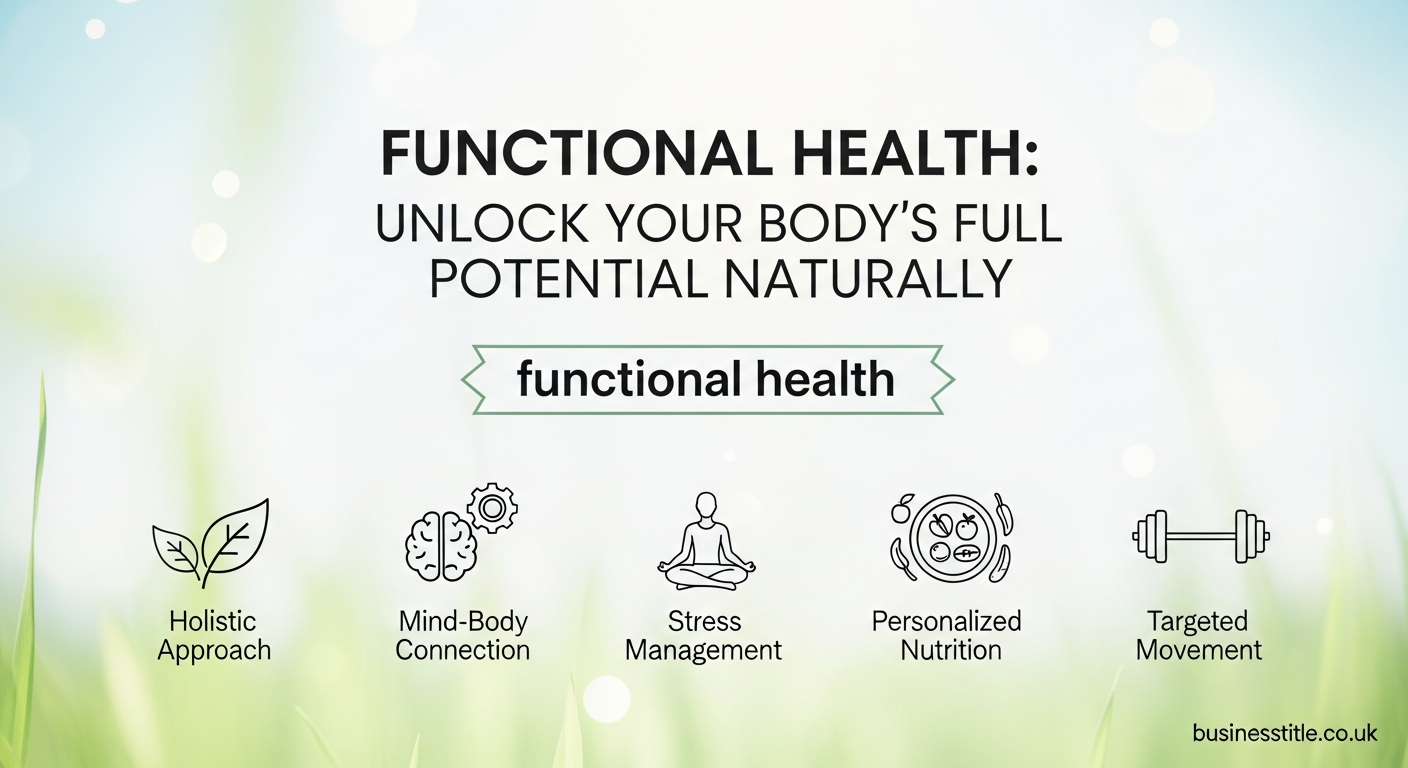
Functional Health: The Key to Total Well-Being
Functional health is more than just the absence of disease. It is about understanding how your body functions and supporting it in ways that maximize energy, vitality, and overall wellness. In today’s fast-paced world, focusing on functional health can help you live longer, feel better, and prevent chronic illnesses before they begin.
When people hear about functional health, they often think of strict diets or intense exercise routines. However, functional health is a holistic approach. It involves looking at how your body systems interact and ensuring that they work together efficiently. From digestion to sleep, immunity to energy production, functional health covers it all.
Understanding Functional Health
Functional health focuses on the root causes of health issues rather than just treating symptoms. Traditional medicine often addresses the symptoms of disease, such as high blood pressure or fatigue, but functional health seeks to understand why these problems occur in the first place. By addressing the underlying causes, functional health aims to restore balance and improve quality of life.
One of the main principles of functional health is prevention. Instead of waiting for health problems to appear, functional health encourages proactive steps to maintain optimal function. This approach helps individuals achieve a higher level of wellness and reduces the risk of chronic diseases over time.
Nutrition and Functional Health
A cornerstone of functional health is proper nutrition. What you eat directly affects how your body functions. A diet rich in whole foods, fresh vegetables, fruits, lean proteins, and healthy fats supports the body’s systems and improves overall performance. Processed foods, excessive sugar, and artificial ingredients can disrupt functional health by causing inflammation, hormonal imbalance, and digestive issues.
Functional health also emphasizes personalized nutrition. Every individual’s body responds differently to foods, and understanding your unique nutritional needs is crucial. Functional health experts often recommend tailored diets that consider factors such as metabolism, genetics, and lifestyle.
Exercise and Functional Health
Regular physical activity is vital for functional health. Exercise strengthens the heart, improves circulation, boosts metabolism, and supports mental well-being. Functional health promotes movement routines that enhance overall body function rather than focusing solely on aesthetics or weight loss.
Functional exercises, which target multiple muscle groups and mimic natural movements, can help maintain balance, mobility, and flexibility. Activities like yoga, Pilates, resistance training, and functional strength exercises not only build strength but also improve coordination and joint health, key aspects of functional health.
Mental Health and Functional Health
Functional health extends beyond the physical body; mental well-being is equally important. Stress, anxiety, and depression can significantly affect how your body functions. Chronic stress can disrupt hormone balance, impair digestion, weaken immunity, and reduce energy levels.
Functional health strategies often include mindfulness practices, meditation, and mental health support. Developing healthy coping mechanisms for stress and maintaining a positive mindset are essential for maintaining overall functional health.
Sleep and Functional Health
Sleep is another critical aspect of functional health. Adequate, quality sleep allows the body to repair, restore, and rejuvenate. Poor sleep patterns can lead to fatigue, weakened immunity, and increased risk of chronic diseases.
Functional health approaches often recommend sleep hygiene practices such as establishing consistent sleep schedules, reducing screen time before bed, and creating a restful sleeping environment. These practices help optimize the body’s natural rhythms and promote overall well-being.
Functional Health and Immunity
A strong immune system is a major component of functional health. Supporting immune function helps the body fight off infections, recover from illness faster, and maintain long-term health. Proper nutrition, regular exercise, stress management, and adequate sleep all contribute to a healthy immune system.
Functional health also considers supplements and natural remedies to enhance immunity. Vitamins, minerals, and herbal treatments can support the body’s natural defenses when used wisely and under professional guidance.
Integrating Functional Health Into Daily Life
Functional health is not about temporary solutions but about creating sustainable, lifelong habits. Small, consistent actions can lead to significant improvements in overall health. Daily routines that include balanced nutrition, regular physical activity, stress management, and sufficient rest are fundamental for functional health.
Education is key in functional health. Understanding how your body works and what it needs allows you to make informed choices. Functional health is also highly individualized; what works for one person may not work for another, making self-awareness and personalized plans essential.
Common Misconceptions About Functional Health
Many people believe functional health requires strict dieting or intense workouts, but it’s actually about balance and understanding your body’s unique needs. Functional health is a lifestyle that adapts to your individual requirements rather than following a one-size-fits-all approach.
Another misconception is that functional health is only for people who are sick. In reality, functional health benefits everyone. Whether you are healthy, recovering from an illness, or managing a chronic condition, functional health helps optimize your body’s performance and prevent future problems.
FAQs
What is functional health?
Functional health is an approach that focuses on understanding how your body works and addressing the root causes of health issues to improve overall well-being.
How can I improve functional health?
Improving functional health involves proper nutrition, regular exercise, quality sleep, stress management, and personalized lifestyle changes.
Is functional health different from regular health care?
Yes. While traditional health care often treats symptoms, functional health addresses the underlying causes of health problems to prevent future issues.
Can functional health help with chronic conditions?
Absolutely. Functional health aims to improve overall function and reduce the risk or impact of chronic conditions by targeting root causes rather than just treating symptoms.
Do I need supplements for functional health?
Supplements can support functional health, but they are most effective when combined with proper nutrition, exercise, and lifestyle practices.
Conclusion
Functional health is a holistic approach that focuses on how your body works and what it needs to function optimally. By addressing nutrition, exercise, mental well-being, sleep, and immunity, functional health helps individuals live healthier, more energetic, and fulfilling lives. It is a proactive, personalized approach that prevents illness, enhances vitality, and empowers people to take control of their health. Embracing functional health is not just about living longer but about living better, feeling your best every day, and creating a foundation for lifelong wellness.